
Understanding Cataracts and Their Impact on Vision
Cataracts are one of the most common age-related vision conditions, affecting millions of Canadians every year.
At LENS & LASIK by Jackman Eye Institute, we help patients see clearly again by diagnosing cataracts early and offering tailored surgical solutions. Here’s what you need to know.
What Are Cataracts?
A cataract occurs when the natural lens in your eye becomes cloudy.
Normally, your lens helps focus light onto your retina so you can see clearly. But as you age, the proteins in the lens can start to clump together, forming a haze that blocks or scatters light.
Cataracts usually develop slowly — and because it’s painless, many people don’t realize how much their vision has changed until everyday tasks become difficult.
5 Signs You Shouldn’t Ignore

If you notice any of the following symptoms, it may be time to consider cataract surgery:
- Blurry or Double Vision: You struggle to see details clearly even with your glasses.
- Glare and Halos: Bright lights seem harsh, especially when driving at night.
- Faded Colors: Everyday objects appear dull or yellowed.
- Frequent Prescription Changes: Your glasses or contact lenses no longer provide stable vision.
- Difficulty with Daily Tasks: Reading, driving, or recognizing faces has become more challenging.
| “Don’t wait for a cataract to steal your independence,” says Dr. Jackman. “When your vision starts affecting your daily life – even just reading or driving at dusk – that’s the time to consider cataract surgery. It’s a quick procedure, and the improvement in vision can be life-changing.” |
What Happens During the Surgery?
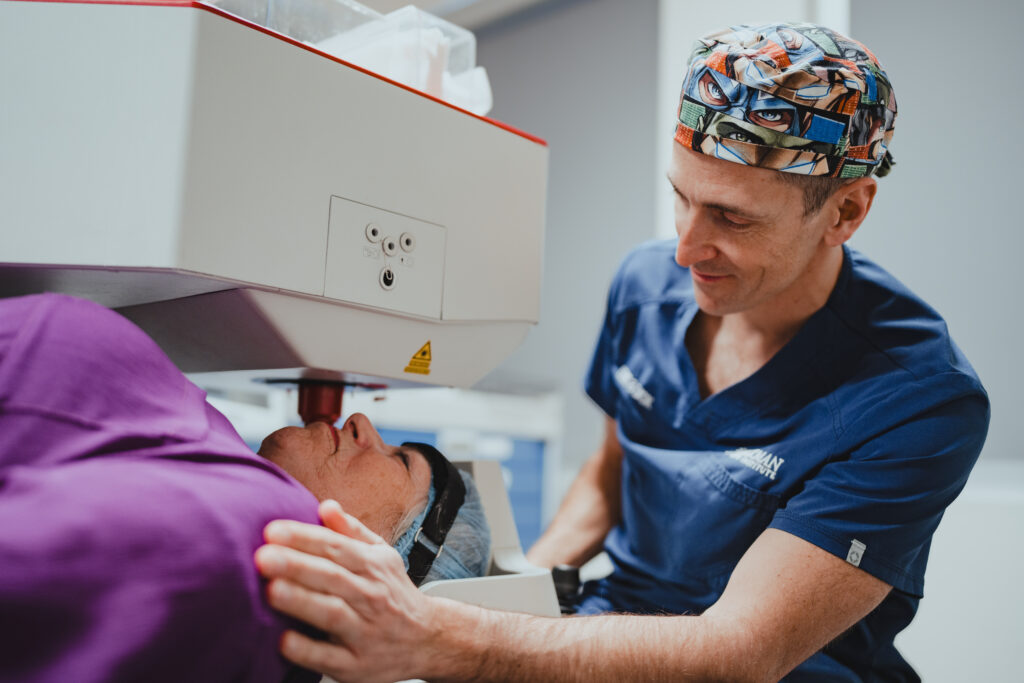
Before your surgery, you’ll receive a full eye exam and consultation. Our experienced team will assess your eye health, explain the options, and help you choose the best type of intraocular lens (IOL) for your needs.
Options include:
- Standard Monofocal Lenses: Great for clear distance vision.
- Multifocal or Extended Depth-of-Focus Lenses: Reduce the need for glasses for near and distance vision.
- Toric Lenses: Correct astigmatism during the procedure.
On the day of surgery:
- You’ll receive a topical anaesthetic (and a mild sedative if needed) to keep you comfortable.
- A tiny incision is made in the cornea, and your eye’s cloudy natural lens is replaced with a clear artificial IOL.
- The incision is self-sealing — no stitches required.
The actual procedure takes about 10 minutes per eye, but plan to spend 2 to 3 hours at the clinic to allow time for preparation and recovery.
Recovery and Results
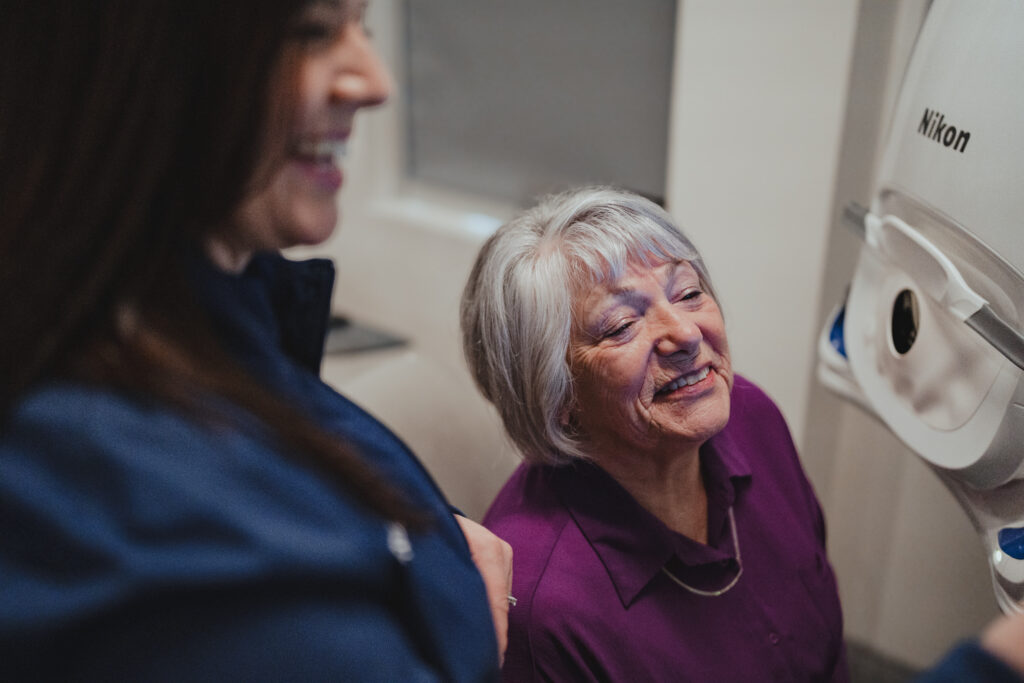
Cataract surgery is quick, safe, and has a high success rate. Most patients notice improved vision within days, with full recovery in about 4–6 weeks. Following your surgeon’s instructions for eye drops and rest ensures optimal healing. (And don’t forget — never rub your eyes!)
Take the First Step

If cloudy vision is affecting your everyday life, it may be time to talk to a specialist.
At LENS & LASIK, we provide advanced cataract treatment options designed for your eyes — and your lifestyle.
Book an appointment today to learn if cataract surgery is right for you. A doctor or optometrist referral is required. Flexible financing available.
